

Most people know chlorine isn't great for skin. That's not news. But here's what the wellness industry keeps leaving out of the conversation: your shower water isn't just drying you out — it's disrupting an entire ecosystem living on your skin. One that's actively protecting you.
We're talking about the skin microbiome. And the science connecting it to tap water quality — especially in Australia — is a story that hasn't been properly told yet.
Your Skin Has a Rainforest. Your Shower Is Clearing It.
Your skin is home to trillions of microorganisms — bacteria, fungi, viruses — that form a living barrier called the skin microbiome. Far from being something to scrub away, this community of microbes is one of your body's first lines of defence. It crowds out harmful pathogens, communicates with your immune system, limits exposure to allergens and UV-related oxidative stress, and helps maintain the integrity of the skin barrier itself.
When this ecosystem is balanced, your skin stays hydrated, calm, and resilient. When it's disrupted — a state researchers call "dysbiosis" — the consequences show up fast: dryness, inflammation, redness, flaking, and increased vulnerability to conditions like eczema and dermatitis.
Here's the problem. Every time you shower in unfiltered tap water, you're exposing that ecosystem to chemicals specifically designed to kill microorganisms.
What's Actually in Australian Tap Water (And Why It Varies So Much)
Australians tend to assume their water is clean and consistent. It is safe to drink (debatable) — but "safe" and "gentle on your skin" are very different standards. The Australian Drinking Water Guidelines allow chlorine concentrations of up to 5 mg/L. What you actually get at the tap varies wildly depending on where you live.
Melbourne sits at the gentle end, typically between 0.03–0.3 ppm — below the level most people can even taste.
Sydney is moderate, with levels fluctuating depending on distance from treatment plants and seasonal demand.
Brisbane tends toward the higher side, with warmer temperatures requiring more aggressive disinfection to keep water safe across longer pipe networks.
Perth regularly hits 0.5–1.5 ppm — not far off the lower end of a swimming pool. The Water Corporation adds higher levels because the water travels long distances in warm conditions, creating the perfect environment for bacterial growth in pipes.
Adelaide faces a unique challenge: its water often comes from the tail end of the River Murray, having picked up contaminants across hundreds of kilometres. The result? Some of the highest chlorine levels of any major Australian city.
And here's the detail most sources leave out: some Australian water utilities don't use free chlorine at all. They use chloramine — a more stable compound formed by combining chlorine with ammonia. South Australia, in particular, has used chloramine extensively. This matters because chloramine is significantly harder to remove with standard filtration media, and most shower filters on the market aren't equipped to handle it effectively.
The Chlorine-Microbiome Connection No One's Making
There's a large body of research showing that chlorine damages skin proteins, strips natural oils, and weakens the stratum corneum (your skin's outermost protective layer). There's also a growing body of research on how the skin microbiome functions and what disrupts it. But almost no one is connecting the two — especially in the context of daily showering.
Here's what we know:
Chlorine is, by design, an antimicrobial agent. It's added to water specifically to kill microorganisms. When that water hits your skin under a hot shower, it doesn't distinguish between the pathogenic bacteria in the pipes and the beneficial bacteria on your body. It disrupts both.
Hot water amplifies the damage. When your shower heats up, chlorine converts into volatile compounds — including chloroform and trihalomethanes (THMs). Research published in peer-reviewed journals including Environmental Science & Technology has found that blood THM concentrations can rise 5- to 15-fold after a 10-minute shower. Inhalation and dermal exposure during showering can actually exceed what you'd absorb by drinking the same water. You're not just getting chlorine on your skin — you're breathing it in as steam.
Disrupted microbiomes don't bounce back instantly. Research from institutions including UCLA and Yale has shown that the skin microbiome, once disrupted, can take time to rebalance — and repeated daily disruption (i.e., your morning shower) can keep it in a state of chronic imbalance. This isn't just about dry skin. A compromised microbiome has been linked to increased sensitivity, chronic inflammation, and worsened outcomes for people with eczema, psoriasis, and dermatitis.
The National Eczema Association has acknowledged a link between hard water exposure and the occurrence of atopic eczema, particularly in children. And while a 2011 randomised controlled trial found that whole-home water softeners alone didn't resolve eczema, that study focused on hardness minerals — not chlorine or chloramine. The chemical disinfectant story is a different, and less studied, piece of the puzzle.
Water Hardness Makes It Worse — And Australia's Map Is Uneven
Chlorine isn't the only variable. Water hardness — the concentration of dissolved calcium and magnesium — also affects your skin and varies dramatically across Australia.
Melbourne and Hobart enjoy some of the softest water in the country — Hobart barely hits 10 ppm. Sydney is moderate at around 50 mg/L. Brisbane and Adelaide push toward 100 ppm. Perth regularly produces hard water that causes visible limescale buildup and that tight, itchy feeling after a shower.
Hard water makes soap less effective (so you use more of it, further stripping skin oils), leaves mineral deposits on skin and hair, and compounds the barrier damage already being caused by chlorine. For anyone dealing with sensitive skin, these two factors working together can be the difference between manageable and miserable.
Why This Gap in the Conversation Matters
If you search for shower filter benefits, you'll find plenty of content about softer hair and smoother skin. If you search for skin microbiome health, you'll find advice about not over-washing and choosing gentle cleansers. But almost nothing connects the quality of the water itself to microbiome health — and that's a significant blind spot.
It means people are investing in probiotic skincare and microbiome-friendly cleansers, then stepping into a shower that's undoing that work before they've even towelled off. It means Australians in Perth or Adelaide may be doing everything right in their skincare routine and still dealing with chronic dryness, irritation, or flare-ups — without realising their water is a major contributing factor.
And it means the conversation about "clean beauty" and skin health is incomplete if it doesn't include the water you're standing under for 8 minutes every morning.
What Actually Helps
Reducing your skin's exposure to chlorine, chloramine, and heavy metals at the point of contact — your shower head — is the most direct intervention available.
A well-designed shower filter using multi-stage media (typically a combination of KDF-55, activated carbon, and calcium sulfite) can reduce up to 98% of free chlorine and significantly lower heavy metal exposure. Calcium sulfite, specifically, is one of the few media effective against chloramine — which is worth checking if you're in a region that uses it.
The goal isn't sterile water. It's removing the specific chemicals that are actively disrupting your skin's natural ecosystem — so your microbiome can do its job.
This isn't a replacement for good skincare. But it might be the missing foundation underneath it.
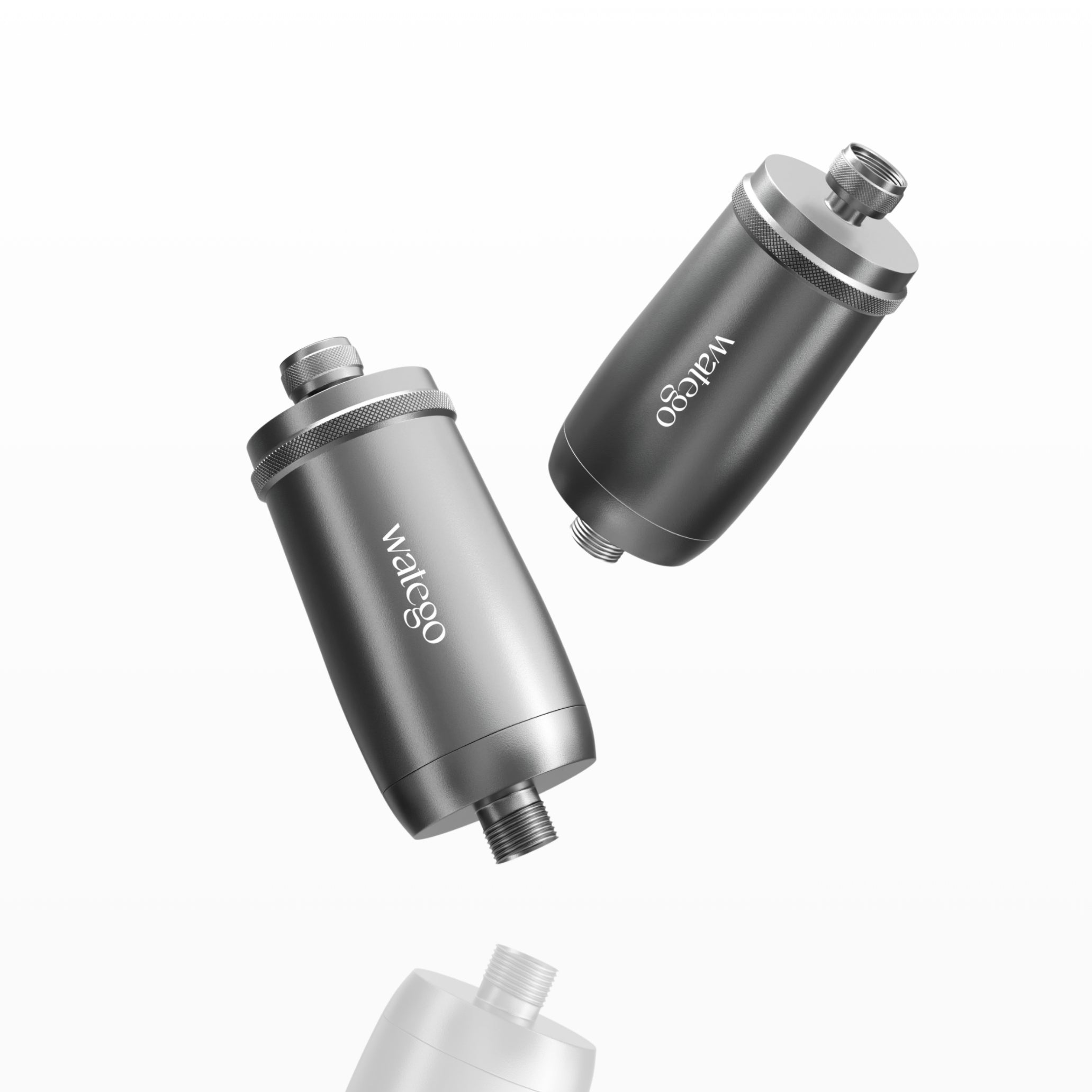
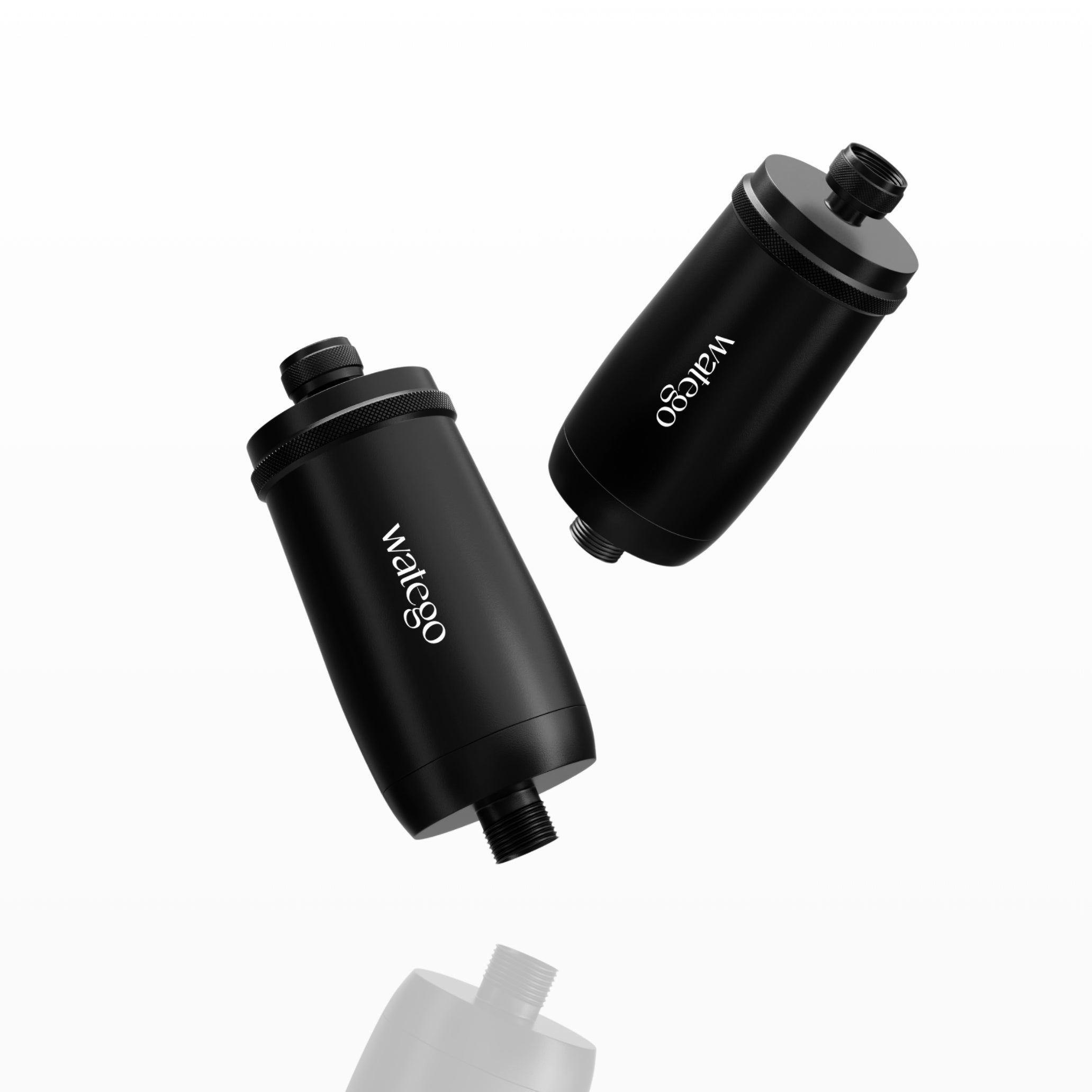
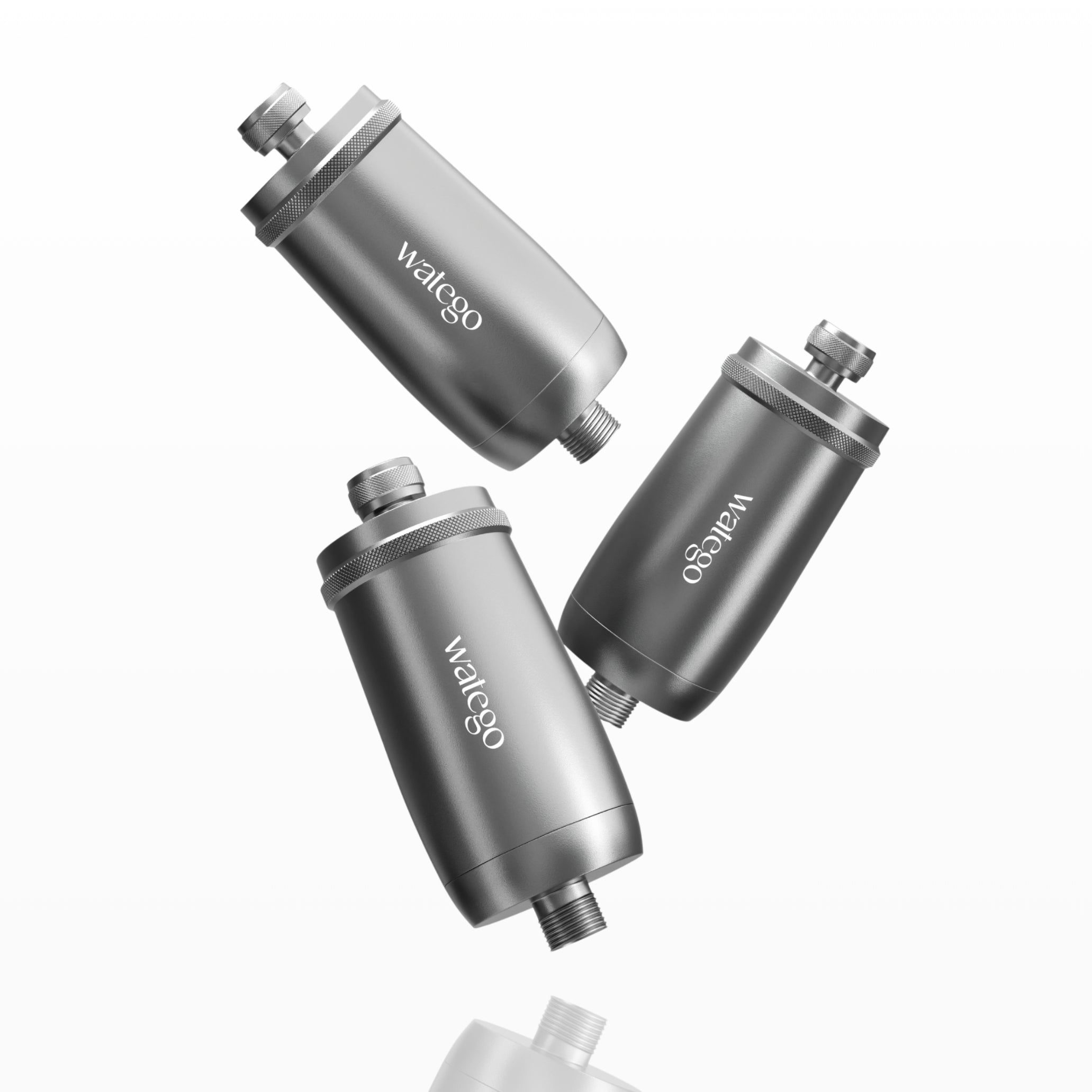
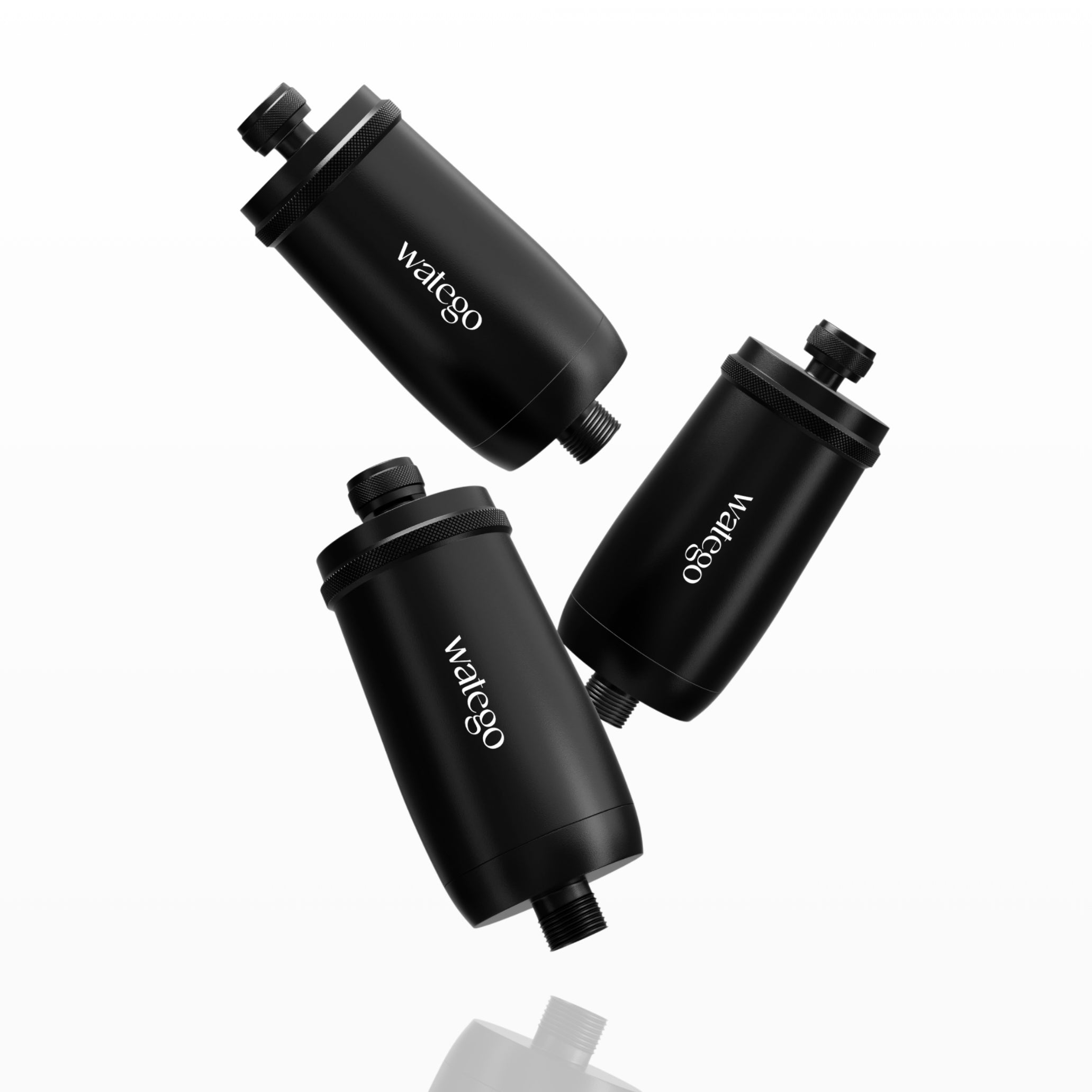
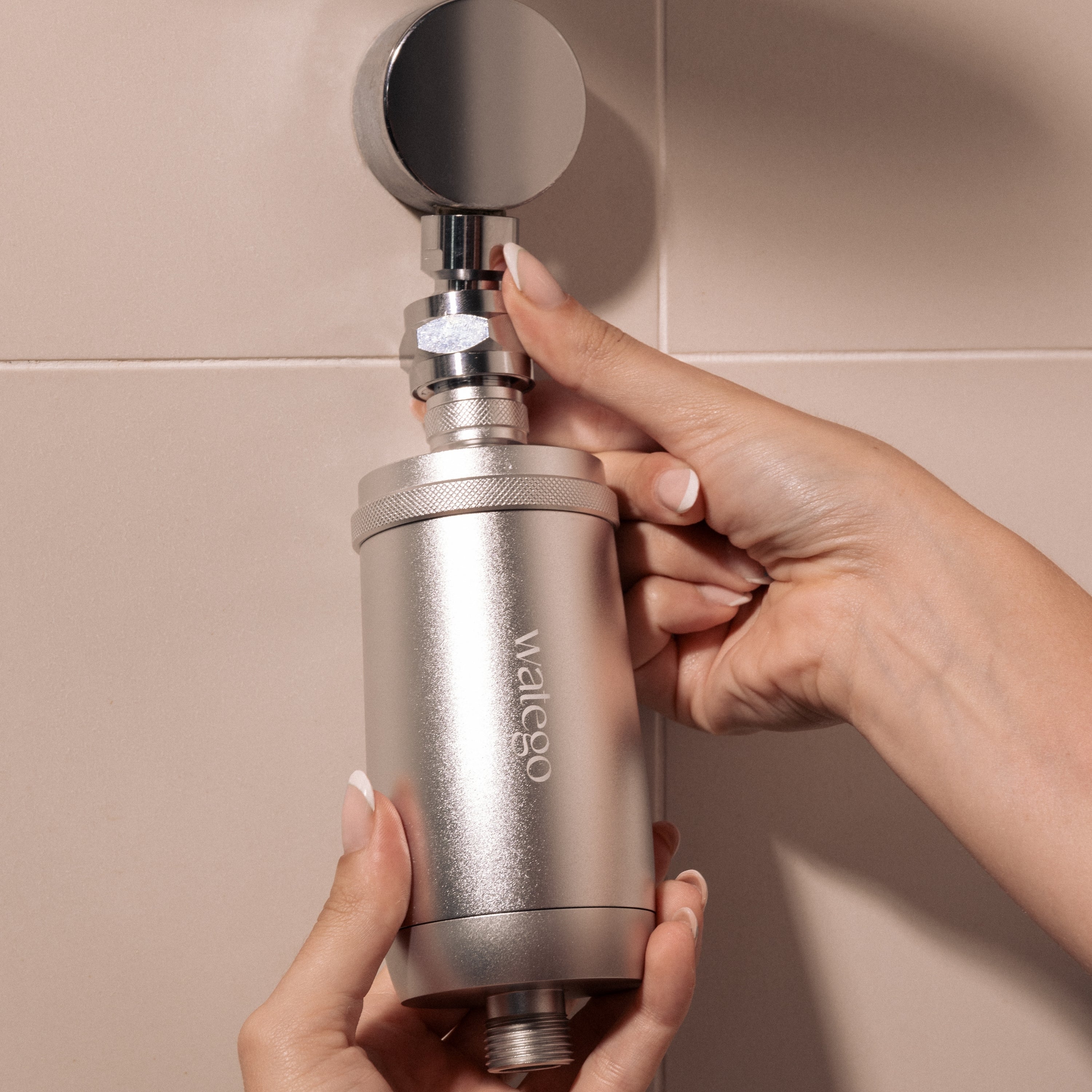
Watego's multi-stage shower filter is designed to reduce chlorine, chloramine, and heavy metals from Australian tap water. Learn more about how it works →